Before beginning my doctoral studies, I examined the work experiences, tensions, and aspirations of younger generations in South Korea, including X-Gens, across organizational settings such as large corporations, cultural and tech industries, and non-governmental organizations. This research resulted in two books and a book chapter (all written in Korean).
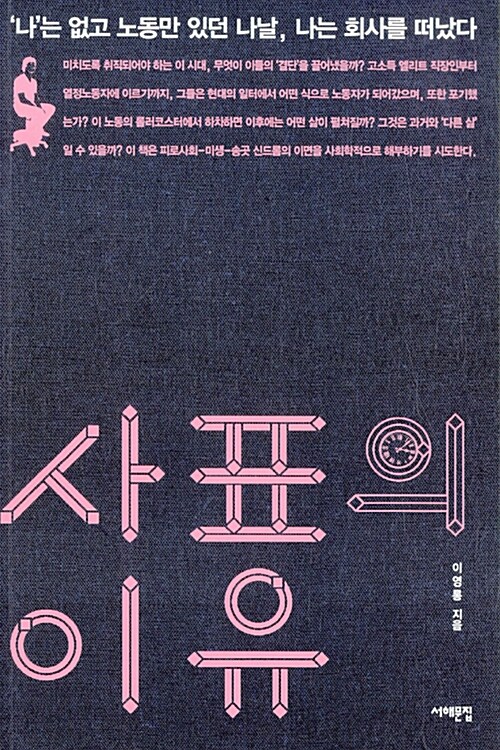
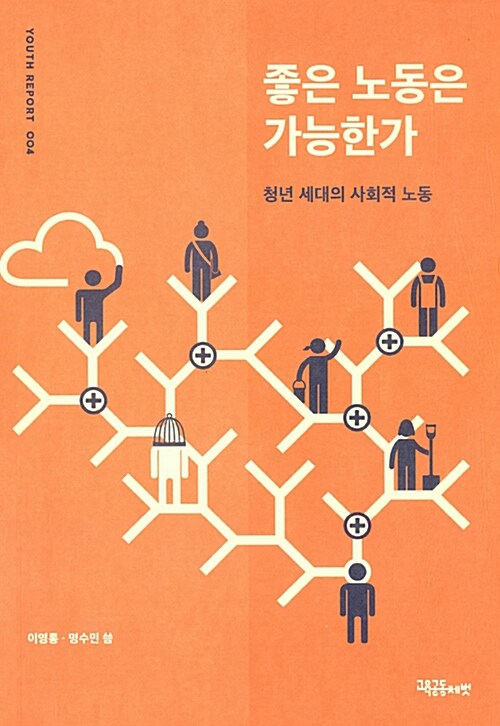
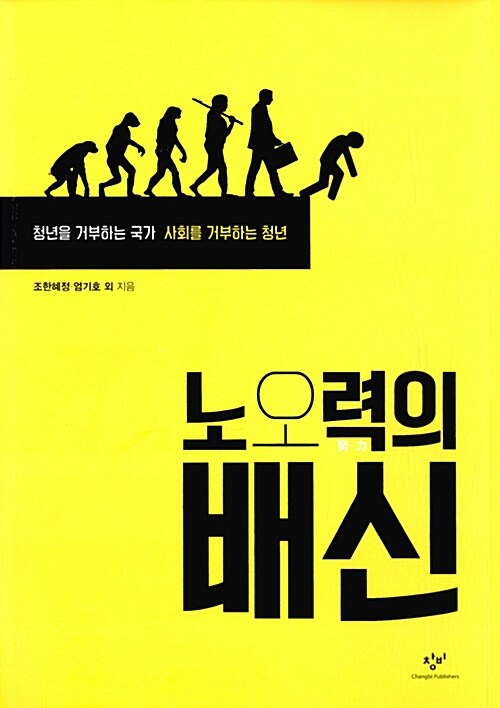
Sap’yoŭi iyu [사표의 이유: Why We Quit Our Jobs: A Sociological Report on People who Escape from Labor Society] (Seohaemunjip, 2015). Based on my master’s thesis, this book analyzes workers who left their jobs in neoliberal workplaces, framing quitting as both a response to neoliberal labor logics and an attempt to pursue alternative pathways.Joŭn nodongŭn kanŭnghan’ga [좋은 노동은 가능한가: Is “Good Work” Possible? Youth’s “Social Labor”] (Communebut, 2016, co-authored with Sumin Myung). This book examines the experiences of young social activists, situating their organizational labour within broader debates on the meaning and possibility of “good work.”“Chikchŏp tŭtta: minho ssiŭi 3nyŏn hu [직접 듣다: 민호 씨의 3년 후, A Worker, a Job Seeker, and a Worker Again]” in Nooryŏgŭi paeshin [노오력의 배신: The Betrayal of Efforts, eds. Haejoang Cho and Kiho Uhm (Changbi, 2016). This chapter traces the repeated cycles of job-seeking and employment for a man in his 30s, highlighting the personal and social costs of precarity for younger generations.
 Youngrong Lee, Phd